
Technology and Live-in Care: Tools That Support Better Home Care
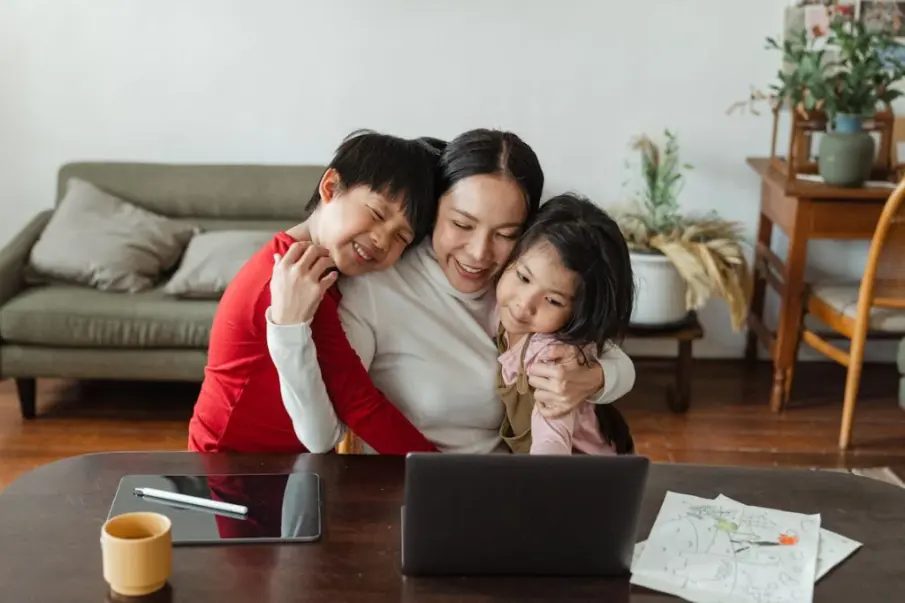
Live-in care has always been about people—supporting someone in their own home, in a way that suits them. But over the past few years, technology has started to play a bigger part in how care is given. From medication reminders to video calls with family, these tools are helping carers offer safer, more consistent support, while helping people feel less cut off from the outside world.
Technology won’t ever replace human care. But when used well, it can make life easier for carers, for the person receiving care, and for their family.
Supporting Safe, Daily Care
One of the main ways technology is helping in live-in care is with medication support. Many people receiving care take several medicines each day. Keeping track of what to take and when can be difficult, especially for those with memory issues.
Digital tools like reminder apps, automatic pill dispensers, or electronic checklists help carers make sure medication is given on time and at the right dose. Some systems also send an alert if a dose is missed. This kind of system reduces risk and gives families peace of mind.
In some homes, these devices are paired with care apps that track every medication given, helping carers build a clear picture over time. That way, GPs and pharmacists can make more informed choices when reviewing prescriptions or addressing side effects.
Monitoring Health at Home
Health conditions can now be tracked more easily at home. Devices like blood pressure monitors, blood sugar testers, or digital thermometers help carers keep an eye on someone’s health without needing to go to the doctor each time.
Some live-in care services also use remote monitoring. This might include motion sensors or activity trackers to spot changes in sleep, eating, or movement. It’s not about watching someone constantly—it’s about spotting changes early so the right help can be given.
For anyone thinking of going into this line of work, healthcare careers often now include training on using technology alongside traditional care skills.
Helping People Stay in Touch
Live-in care doesn’t only support physical needs—it helps with emotional wellbeing, too. One of the hardest parts of growing older is feeling lonely or cut off from others. That’s where technology can help in simple but powerful ways.
Carers often help the people they support use tools like video calls, messaging apps, or digital photo frames to stay in touch with friends and family. Something as small as a weekly video chat with a grandchild or sharing a recent photo can really lift someone’s mood.
There are also care apps that allow families to stay updated, seeing notes from the carer, meals, mood reports, or reminders about upcoming appointments. It helps families feel involved and informed, especially if they live far away.
Tools That Support the Carer, Too
Technology isn’t just for the person receiving care. It helps live-in carers stay organised and confident in their role. Many use mobile care apps to check tasks for the day, log notes, or flag changes in someone’s condition.
This kind of digital support makes it easier for different carers to keep care consistent if someone new steps in. It also cuts down on paperwork and gives the care provider a clearer picture of how someone is doing.
If you’re already working in care or thinking of starting, there are lots of online training options that can help build your skills. For example, this care training guide offers a solid introduction to key responsibilities in the role.
An Example of Tech and Personal Care Together
Agincare, a UK provider of live-in care, uses both traditional person-centred support and helpful technology. Their carers use secure care management apps to update records, track medication, and flag issues.
But the real value isn’t just the tech—it’s the way it’s used. A carer who spots a change in behaviour might log it digitally, but they also take the time to ask how someone is feeling. That human connection is what really matters.
Balance Is Key
Technology will continue to grow in home care—whether it’s smart home systems, fall detectors, or health apps but the most effective care will always be based on personal connection. Tools can support that care, but they can’t replace the warmth of conversation, shared meals, or just sitting together in silence.
Live-in carers don’t need to be tech experts. But knowing how to use a few simple tools can make a big difference in how care is delivered—and how connected someone feels.
With the right balance, technology and live-in care work well together. The result is safer, more confident support that helps people live happily and independently in their own homes.
More to Read:





Previous Posts: